


Colorado Springs Storm Damage: Your Complete Emergency Response Guide

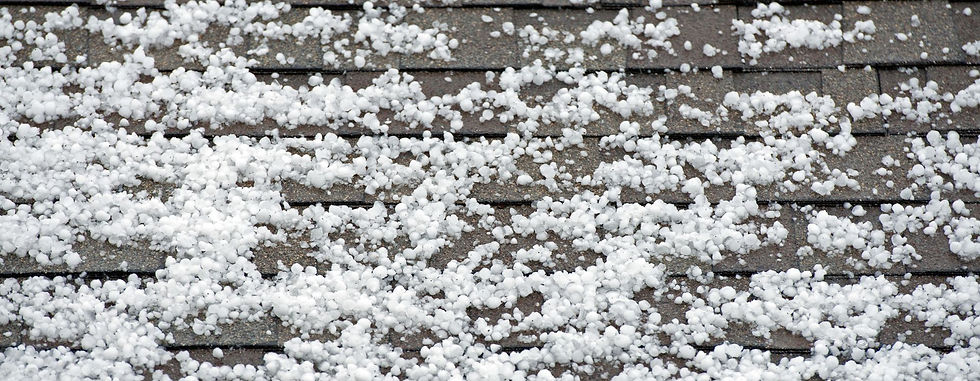
Colorado Springs sits in one of the most active severe weather corridors in the country. Known as "Hail Alley," the Front Range experiences damaging hail, high winds, lightning, and flash flooding from spring through early fall. When a storm hits your home, knowing what to do—and what not to do—in the first hours can save thousands of dollars and months of headaches.
This guide covers everything from staying safe during the storm to filing your insurance claim and getting professional restoration started. Whether you're dealing with hail damage, wind damage, or storm-driven water intrusion, these steps protect your property and your financial recovery.
Need Immediate Storm Damage Help?
Comfort Restorations provides 24/7 emergency storm damage restoration including tarping, water extraction, and full reconstruction throughout Colorado Springs, Monument, Black Forest, and Falcon.
Call Now: 719-439-0611 | Average 90-minute response time
During the Storm: Stay Safe
Before thinking about property damage, prioritize personal safety:
Shelter Priorities
Move to an interior room on the lowest floor, away from windows and exterior walls
Basements are safest during severe thunderstorms and tornado warnings
Stay away from windows — Hail and wind-driven debris can shatter glass without warning
Keep shoes on — If windows break, glass will cover floors
What to Avoid During the Storm
Don't go outside to check damage during the storm—hail and lightning are lethal
Don't stand near windows or glass doors, even to watch
Don't use landline phones during active lightning
Don't touch plumbing — Lightning can travel through pipes
Colorado Springs storms can escalate rapidly. If you hear a tornado siren or receive a tornado warning on your phone, take shelter immediately.
After the Storm: First 30 Minutes
Safety Check
Check for injuries before assessing property damage
Watch for downed power lines — Stay at least 35 feet away and call Colorado Springs Utilities at 719-448-4800
Smell for natural gas — If you detect gas, leave immediately and call 911
Check for structural damage before entering damaged areas—sagging ceilings, leaning walls, or cracked foundations may indicate instability
Utility Assessment
Electricity: If you see sparking, smell burning, or have water near electrical systems, shut off the main breaker
Water: If pipes have burst from falling trees or structural damage, shut off the main water valve
Gas: If you smell gas, don't flip switches or use electronics—leave and call 911
Critical Safety Rule: Don't Go on the Roof
Never climb onto your roof after a storm. Wet, damaged roofing materials are extremely slippery, and structural damage may make the roof unsafe to walk on. A professional inspector using proper safety equipment should assess roof damage.
Assess Visible Damage
Walk the exterior of your property (staying clear of overhead hazards) and note damage you can see from ground level:
Roof (From the Ground)
Missing or displaced shingles
Exposed underlayment or decking
Damaged or missing flashing around chimneys, vents, and skylights
Granules accumulated in gutters or downspout discharge areas
Visible dents or punctures
Siding
Dents, cracks, or holes in siding panels
Loose or missing sections
Damaged or detached trim

Windows
Cracked or shattered glass
Damaged screens and frames
Broken seals (look for fogging between panes)
Gutters & Downspouts
Dented or crushed sections
Separated seams and connections
Detached sections or misaligned downspouts
Interior
Water stains on ceilings or walls (indicates roof or window breach)
Wet carpet or flooring near exterior walls
Water pooling in basement or lower level
Dripping from light fixtures (shut off power to those circuits)
Document Everything Before Cleanup
Thorough documentation is the foundation of a successful insurance claim. Take photos and video before any cleanup or temporary repairs.

Photo Guide for Storm Damage
Wide exterior shots — All four sides of your home from across the street
Close-up damage shots — Each damaged area individually, with something for scale reference (a coin, ruler, or hand)
Overhead gutters — Photograph granules and debris accumulated in gutters if safely accessible
Interior damage — Water stains, wet areas, damaged belongings
Hail evidence — Photograph hail stones on the ground with a ruler or coin for size reference (do this during or immediately after the storm while hail is still present)
Neighboring properties — Damage to nearby homes supports your claim by confirming the storm's severity in your area
Video Documentation
Walk around your property with your phone recording, narrating what you see. Include the date, your address, and descriptions of each damaged area. This provides context that individual photos cannot.
File Your Insurance Claim Immediately
Don't wait to file. Colorado has timely filing requirements, and delays can complicate your claim.
What to Tell Your Insurance Company
Date and approximate time of the storm
Types of damage observed (roof, siding, windows, interior water)
Whether the property is secure or needs emergency protection
Whether anyone was injured
That you have photo and video documentation
What NOT to Tell Your Adjuster
Don't speculate about the cause if you're unsure
Don't accept an estimate or settlement on the phone
Don't agree that damage is "minor" before a professional inspection
Don't sign anything without reading it completely
Important: Colorado Hail Deductibles
Many Colorado homeowners policies include a separate wind/hail deductible—often a percentage of the dwelling value rather than a flat dollar amount. A 1% hail deductible on a $500,000 home means $5,000 out of pocket. Understand your deductible structure before making claim decisions.
Call a Professional Restoration Company
After major storms, Colorado Springs homeowners are flooded with calls and door knocks from roofing companies, many from out of state. Here's why choosing a full-service restoration contractor matters:
Why General Roofers Miss Interior Damage
A roofer sees the roof. A restoration company sees the complete picture—the roof breach, the water that entered your attic, the saturated insulation, the drywall damage, the moisture in wall cavities, and the microbial growth risk from hidden water. Storm damage is rarely limited to one system.
The Full-Service Advantage
Comfort Restorations handles storm damage from emergency tarping through complete reconstruction—roofing, siding, gutters, interior water damage, and full finishing. One contractor, one estimate, one point of contact.

Why Choose Comfort Restorations for Storm Damage:
24/7 emergency response with tarping and board-up
Licensed general contractor — roofing, siding, and interior construction
IICRC-certified water damage restoration for interior storm damage
Insurance claims expertise including supplemental claims
Veteran-owned local company — not a storm-chasing out-of-state crew
90% of emergency clients choose us for full reconstruction
Beware of Storm Chasers
After major hail events, out-of-state contractors flood Colorado Springs neighborhoods. Be cautious of any company that:
Knocks on your door unsolicited after a storm
Pressures you to sign a contract immediately
Offers to pay your deductible (this is insurance fraud)
Can't provide a Colorado contractor license number
Uses a P.O. box or out-of-state address
Hidden Storm Damage Most Homeowners Miss
The damage you can see from your driveway is only part of the story. These commonly overlooked issues can cause expensive problems months or years later:
Granule Loss
Hail impacts dislodge protective granules from asphalt shingles. The shingle may look intact, but without its granule layer, it degrades rapidly under UV exposure. Check your gutters and downspout discharge areas for excessive granule accumulation after hail.
Underlayment Bruising
Hail can fracture the fiberglass mat beneath shingle granules without leaving visible surface damage. These bruises compromise waterproofing and lead to leaks that may not appear for months. Only a professional roof inspection can identify this damage.
Soffit and Fascia Damage
Wind-driven hail strikes horizontal surfaces like soffits at an angle, causing cracks and dents that allow water into attic spaces and wall cavities. These areas are often overlooked during ground-level assessments.
Attic Water Intrusion
Even minor roof breaches allow water into your attic during heavy rain. This water saturates insulation (reducing its effectiveness), stains decking, and can create conditions for microbial growth—all before you see a ceiling stain downstairs.
Gutter Seam Separation
Hail impacts can loosen gutter seams and connections, causing improper drainage. Water that should flow to downspouts instead pours behind gutters, eroding fascia and damaging foundation areas.
Hail Damage vs. Wind Damage: Different Claims, Different Processes
Understanding the difference matters for your insurance claim:
Hail Damage Characteristics
Random impact pattern across exposed surfaces
Circular dents and bruises
Granule loss on shingles
Damage concentrated on surfaces facing the storm direction
Often affects multiple components: roof, siding, gutters, windows simultaneously
Wind Damage Characteristics
Missing or lifted shingles, typically starting at edges and ridges
Torn or detached siding, fascia, and soffit
Fallen trees and structural impact damage
Debris impact marks
Damage concentrated on the windward side of the structure
Why It Matters for Your Claim
Many Colorado policies have separate deductibles for wind/hail damage. Your adjuster will differentiate between hail and wind damage. A professional restoration company can help ensure all damage types are properly documented and categorized for maximum coverage.
Protecting Your Home Before the Next Storm
Preventive Measures
Impact-resistant roofing — Class 4 impact-resistant shingles reduce hail damage and may qualify for insurance discounts in Colorado
Trim trees — Remove dead branches and thin canopies to reduce wind-throw risk
Secure outdoor items — Patio furniture, grills, and decorations become projectiles in high winds
Check window seals — Aging caulk and weatherstripping allow water intrusion during driving rain
Clean gutters regularly — Clogged gutters back up during heavy rain, driving water under roofing and behind fascia
Inspection Schedule
After every significant storm — Walk the exterior, check for visible damage, look in your attic
Spring — Professional roof inspection before storm season
Fall — Gutter cleaning, weatherization, and damage repair before winter
Frequently Asked Questions
How soon after a storm should I file an insurance claim?
File as soon as you identify damage—ideally within 24–48 hours. Colorado policies may have time limits for filing storm damage claims, and delays can complicate the process. Comfort Restorations can help document damage and coordinate with your insurer.
Should I get a roof inspection after every hail storm?
Yes, after any storm producing hail 1 inch or larger. Many hail damage issues are invisible from the ground but can significantly shorten your roof's lifespan. A professional inspection provides documentation if you need to file a claim later.
Can I choose my own contractor or do I have to use the insurance company's preferred vendor?
Colorado law gives you the right to choose your own contractor. You are not obligated to use an insurance company's preferred vendor. Choose a licensed, local contractor you trust.
How long do I have to file a hail damage claim in Colorado?
Timelines vary by policy, but most require prompt reporting. Some policies have specific windows (often one year) for filing storm damage claims. Check your policy or call your agent to confirm your deadline. Filing promptly is always recommended.
What if the insurance estimate doesn't cover the full cost of repairs?
Your contractor can submit a supplemental claim documenting the additional damage and costs. This is common with storm damage, where hidden damage is often discovered during repairs. Comfort Restorations has extensive experience with supplemental claims.
Are storm chasers (out-of-state roofing companies) trustworthy?
Exercise caution. While some out-of-state companies are legitimate, many disappear after collecting payment, leaving homeowners without warranty recourse. Choose a licensed, locally established contractor with verifiable references and a physical local address.
Colorado Springs Storm Resources
Colorado Springs Utilities (power outage): 719-448-4800
El Paso County Emergency Management: 719-575-8400
National Weather Service - Pueblo (Colorado Springs coverage): 719-948-9429
Colorado Springs Non-Emergency: 719-444-7000
Storm Damage? Get Professional Help Now.
Storm damage needs prompt attention—every hour of exposure to weather through a compromised roof or window makes interior damage worse. Comfort Restorations provides 24/7 emergency response with tarping, water extraction, and full-service restoration.
Storm Damage? We're Ready to Help.
24/7 Emergency Response | 90-Minute Average Arrival Time
About Comfort Restorations
Comfort Restorations is a veteran-owned storm damage restoration company serving Colorado Springs, Monument, Black Forest, Falcon, and surrounding communities since 2020. We're IICRC Certified, BBB A+ Accredited, and provide full-service restoration from emergency tarping through complete reconstruction.
Related Services: Storm & Hail Damage Restoration | 24/7 Emergency Mitigation | Mitigation to Reconstruction


Comments